
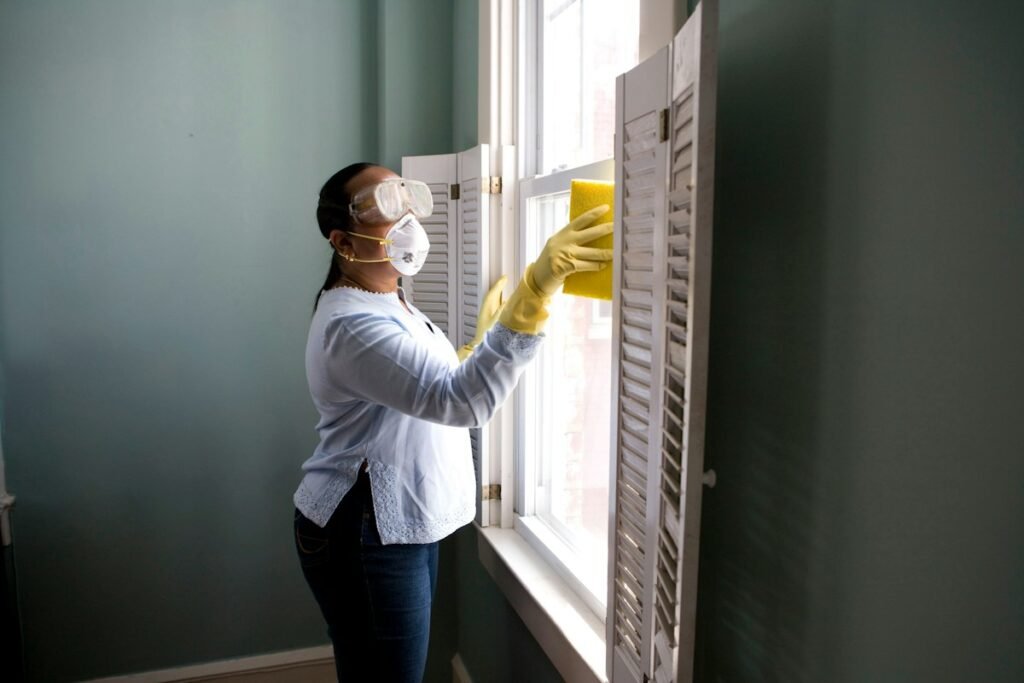
Short-term rental cleaning services prepare a property between guest stays, often within a tight check-out and check-in window. A reliable turnover includes more than a quick tidy: it can cover bedrooms, bathrooms, kitchen surfaces, laundry, rubbish, restocking and a final inspection. This guide helps hosts define the scope, compare cleaners, plan schedules and maintain consistent guest-ready standards.
What short-term rental cleaning services include
Short-term rental cleaning services prepare a property between guest stays so the next arrival finds a clean and orderly space. A standard turnover may include removing rubbish, cleaning bathrooms and kitchen surfaces, changing beds, laundering or replacing linens, dusting, vacuuming, mopping, replenishing agreed supplies and reporting damage or missing items. The service depends on property size, guest capacity, check-out time and host standards. A turnover clean is more structured than an ordinary domestic clean because it must be completed in a defined window and checked against a repeatable list.
Why consistent turnover standards matter
Guests notice visible details quickly: fresh bedding, bathroom condition, floors, odours, kitchen cleanliness and the availability of basic supplies. A missed bin or stained towel can undermine confidence even if the property is otherwise attractive. A written standard gives cleaners a clear target and makes quality easier to inspect. It should define tasks, approved products, linen rules, restocking and how to report problems. Make the standard realistic for the property’s size and the time between reservations. A rushed checklist that cannot be completed reliably will not produce consistent results.
Build a room-by-room checklist
A useful checklist follows the same route through the property each time: entry, bedrooms, bathrooms, kitchen, living areas, outdoor spaces and final inspection. The cleaner can tick off tasks and record issues for the host. Room-by-room organisation reduces omissions and makes training easier. Specify high-touch points, rubbish locations, linen storage, supply levels and reporting requirements. Include a place for the cleaner’s name and completion time. If the property has unusual features such as a hot tub, fireplace, barbecue or bunk room, give them a separate task list.
Entry, hallway and shared spaces
At the entrance, remove rubbish, check for mud or debris, clean door handles and inspect the mat. Dust visible surfaces, wipe switches and clean mirrors or glass. Keep the space fresh without using strong fragrances to conceal odours. Vacuum or mop the floor and confirm that access devices, keys or guest information are in their agreed locations. Check stair rails and landings, and report burnt-out lights, loose handrails or trip hazards. Keep emergency routes clear. Do not move personal documents or belongings into guest-accessible areas without the host’s instructions.
Bedroom turnover and linen handling
Strip used bedding and place it in a designated laundry bag or container. Inspect mattress protectors, pillows, duvets and bed frames for stains, damage or signs of pests. Make the bed with clean, dry linen and follow the host’s arrangement standard. Dust bedside tables, lamps and headboards; clean mirrors and wipe switches. Vacuum accessible floor areas and remove rubbish. Keep clean and used linen separate to avoid cross-contamination. If laundry is handled off-site, label bags by property and bed size so sets do not become mixed.
Bathroom cleaning and hygiene
Bathrooms need careful cleaning because moisture, soap residue and frequently touched surfaces affect appearance and hygiene. Clean appropriate surfaces and follow product labels, paying attention to toilets, taps, handles, shower controls and flush buttons. Remove hair from drains and floors, clean mirrors and counters, and inspect shower screens and sealant. Replace towels with clean, dry sets and replenish only the agreed toiletries. Report leaks, slow drains, mould or damaged fittings. Use separate cloths or colour-coded equipment for toilets and other surfaces, and ventilate the room while cleaning products are in use.
Kitchen surfaces, dishes and appliances
Remove leftover food according to the host’s policy, empty rubbish and recycling, wash dishes or load the dishwasher as agreed, and clean counters and sinks. Wipe appliance handles and exteriors. Inspect the fridge for forgotten food and clean spills according to the instructions. Clean the hob and microwave; include the oven only when it is within the agreed scope. Replace dish cloths and sponges according to the hygiene standard. Do not apply unsuitable chemicals to food-preparation surfaces, and follow the product label about rinsing before the next use.
Living rooms, floors and high-touch points
Dust tables, shelves, lamps, remotes and decorative surfaces. Check sofas for crumbs, stains and lost items, and vacuum upholstery if included in the scope. Clean screens only with suitable methods and never spray liquid directly onto electronics. Vacuum carpets and rugs, then mop hard floors using products approved for the surface. Wipe commonly touched handles, switches and remotes. Check beneath cushions for guest belongings and report valuables under the host’s lost-property process. Arrange furniture consistently so that damage or missing items are easier to spot.
Cleaning, sanitising and disinfecting are different
Cleaning removes dirt and many germs using detergent, water and physical action. Sanitising reduces germs to a level considered acceptable for a particular use. Disinfecting uses products designed to kill specified microorganisms on surfaces. The CDC cleaning and disinfecting guidance explains that regular cleaning is sufficient in many home situations, while disinfection may be appropriate in specific circumstances. Follow product labels for dilution, contact time, surface compatibility and protective equipment. Never mix cleaning chemicals, and store them away from children and pets.
Laundry planning and inventory control
A property with frequent bookings needs a predictable linen cycle. Decide whether laundry is done on site, sent to a service or replaced with pre-cleaned sets. Estimate the number of sheet, towel and duvet-cover sets needed based on occupancy, drying time and turnaround. Keep reserve stock for stains, damage or unexpected early arrivals. Label sets by property or bed size and inspect before use. Track textiles that need replacement so worn towels and sheets do not remain in circulation. The host should specify how stained or damaged items are reported and whether cleaners may discard anything without approval.
Restocking supplies without waste
Agree a standard par level for toilet paper, hand soap, bin liners, washing-up liquid, dishwasher tablets and other guest essentials. The cleaner should record what is used and what needs replenishment rather than guessing. Store backup supplies in a secure owner cupboard. Avoid overfilling dispensers or leaving large quantities where guests may misuse them. Decide whether the service includes the cost of supplies or only labour. If the cleaner purchases items, agree receipt handling, spending limits and approved products in writing.
Final inspection before guest arrival
The final walkthrough is the last quality-control step. Check beds, bathroom fixtures, floors, kitchen counters, bins, lights, heating or cooling controls and required guest items. Confirm that doors lock, windows are closed as directed and the property is secure. Photograph pre-existing damage or maintenance problems and send a report to the host. Cleaners should not attempt repairs outside their agreed scope. A final checklist can include the completion time and confirmation that the property is ready. If a task cannot be completed, report it before check-in rather than silently marking the job finished.
How cleaning services are priced
Pricing may be based on bedrooms, bathrooms, property size, guest capacity, time, laundry, travel distance, frequency and the depth of cleaning. A studio may cost less than a large house with several bathrooms, outdoor areas and a hot tub. Same-day or urgent turnovers may carry a premium. Some cleaners charge a fixed changeover fee; others charge hourly or quote separately for linen and restocking. Ask for a written list of inclusions and exclusions. A low headline price may omit ovens, windows, laundry, inside-fridge cleaning or damage reporting.
Choosing a cleaning company
Look for experience with short-term rental turnovers, dependable staffing, insurance appropriate to the work, references, availability and documented quality checks. Ask who enters the property, how keys or access codes are managed, how staff are supervised and how urgent issues are escalated. Confirm how the company handles illness, late check-outs, missing supplies and damage reports. A written service agreement should describe pricing, payment, supplies, linen responsibility, cancellation terms, privacy expectations and the procedure when a property is not ready.
Scheduling around check-out and check-in
The cleaning window is determined by the guest’s departure and the next arrival. Build in a buffer for late check-outs, laundry delays, maintenance visits and travel between properties. If multiple rentals are nearby, plan the route and have backup coverage. Do not promise same-day completion when the available time is unrealistic. Hosts should communicate check-out expectations to guests. If a property is left in unusually poor condition, the cleaner should send photographs and an estimate of additional time before exceeding the agreed scope.
Health, safety and property protection
Cleaners should use suitable footwear, gloves and protective equipment where required. Follow product directions and keep chemicals in labelled containers. Ventilate rooms and never mix bleach with ammonia, acids or other cleaning products. Use stable step stools rather than furniture to reach high areas, and report electrical faults, broken glass, needles, pests or structural issues without handling them unnecessarily. Protect surfaces with products approved for the material. Hosts should provide safe access, working equipment and clear instructions about alarms, appliances and restricted areas.
Technology, reporting and quality tracking
Shared calendars and task apps can help hosts and cleaners coordinate check-outs, check-ins, access details and special tasks. Use role-based access so staff only see the information needed for work. Avoid storing door codes or guest personal information in unsecured notes. A completion report can include time finished, supplies replenished, maintenance issues and photographs of exceptions. The linked Airbnb host preparation checklist covers safety items, bedrooms, bathrooms, kitchen supplies and outdoor areas that a host may wish to include in a turnover standard.
What to put in a service specification
A clear specification might require removing rubbish and leftover food, stripping and remaking beds, cleaning bathrooms and kitchen areas, wiping high-touch points, dusting, vacuuming, mopping, replenishing listed supplies, checking for damage and securing doors and windows. It should state whether laundry, oven cleaning, inside-fridge cleaning, windows, balconies and outdoor furniture are included. Include the time by which the property must be ready and how the cleaner should report exceptions. The more exact the scope, the fewer disagreements will occur about whether a turnover has been completed.
How often to schedule a deep clean
Routine turnover prepares the property for the next guest, but it does not replace periodic deep cleaning. The interval depends on occupancy, property size, local conditions and materials. Deep-clean tasks can include inside appliances, behind furniture, detailed grout work, curtains, mattress checks, upholstery, vents, baseboards and windows. Schedule these during lower-demand periods or after a defined number of stays. Track recurring maintenance such as filter changes, descaling and pest inspections separately from the everyday turnover checklist.
A practical host checklist
Before hiring a service, define rooms, exact tasks, linen workflow, restocking levels, price, access procedure, insurance, response time and reporting standards. Test the service with a trial turnover and inspect the results against the written checklist. Review guest feedback for recurring issues and adjust the scope when necessary. For property operations and hosting topics, visit our [Real Estate articles] or return to [our guide library]. Reliable short-term rental cleaning services are built around clear standards, trained people, realistic schedules and prompt communication—not simply a quick tidy before the next guest.
Frequently asked questions
Does every turnover include laundry?
No. Hosts should state whether laundry, linen replacement and off-site washing are included or billed separately.
Is disinfecting required after every guest?
Not necessarily. Routine cleaning is essential; follow current public-health guidance and product instructions for when disinfection is appropriate.
What should a cleaning checklist cover?
Bedrooms, bathrooms, kitchen, shared areas, rubbish, linens, restocking, safety checks and a final inspection.
Conclusion
Before hiring a service, define rooms, exact tasks, linen workflow, restocking levels, price, access procedure, insurance, response time and reporting standards. Test the service with a trial turnover and inspect the results against the written checklist. Review guest feedback for recurring issues and adjust the scope when necessary. For property operations and hosting topics, visit our [Real Estate articles] or return to [our guide library]. Reliable short-term rental cleaning services are built around clear standards, trained people, realistic schedules and prompt communication—not simply a quick tidy before the next guest.
For related reading, explore our Real Estate articles or return to our guide library.

Tasha Harshman is a versatile writer who explores a range of topics with a special focus on entertainment. She enjoys sharing clear, engaging insights about movies, celebrities, trends, and pop culture.